


 Nederlands
 English


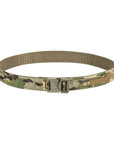
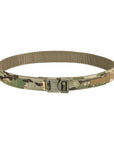
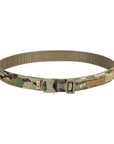
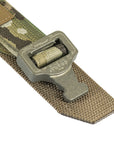
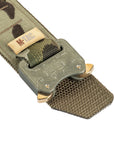
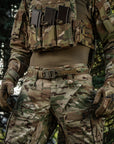
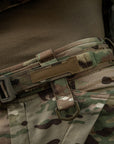
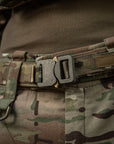
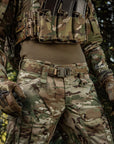
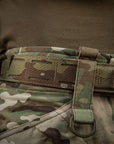
Gurtel Cobra Buckle Tactical Belt Laser Cut
Direct leverbaar
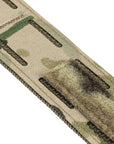
Der taktische Militärgürtel M-Tac wurde entwickelt, um die Befestigung und den Transport der Ausrüstung am Gürtel zu erleichtern. Der Gürtel ist ideal für Militärangehörige, Polizeibeamte, Schützen und alle Liebhaber moderner taktischer Ausrüstung. In diesem Modell können ein Holster, Taschen für Ersatzmagazine, ein Erste-Hilfe-Kit oder andere MOLLE-kompatible Ausrüstungsgegenstände untergebracht werden. Der Gürtel besteht aus strapazierfähigem Nylon-Gurtband (40 mm), dessen Außenseite mit Cor-dura Squadron beschichtet ist - einem Hightech-Material, das abriebfest und hoch belastbar ist. Die Molle-Schnittstelle des Gürtels ist in Laser-Cut-Technik gefertigt und ermöglicht das bequeme Anbringen von Taschen. Die moderne 25 mm Cobra-Schnalle von Austrialpin hält einer Belastung von bis zu 9 kN (ca. 917 kg bei Bruch) stand. Dank der durchdachten Konstruktion kann ein richtig eingestellter Gürtel bei körperlicher Anstrengung oder im Kampf nicht abfallen oder verrutschen. Der Gürtel ist in den Größen XS/S bis 3XL erhältlich. Material Cordura Geschwader Riemen Murdock Schnalle Cobra 25mm vom österreichischen Hersteller Austrialpin Die AustriAlpin Cobra-Schnalle ist eine hochbelastbare, funktionelle und sehr zuverlässige Schnalle mit dem patentierten AustriAlpin COBRA™ Schloss, hergestellt von AustriAlpin, dem österreichischen Bergsportausrüstungsunternehmen. Das COBRA-Schloss ist gegen unbeabsichtigtes öffnen unter Last gesichert und wird in hochwertigen Bergsteiger- und Militärausrüstungen verwendet. Alle Schnallen sind Mil Spec getestet und zertifiziert für Sand/Staub/Salzwasser und haben CE, EN, CSA, ANSI und NFPA Zulassungen. Die einzigartige Schnallenkonstruktion gewährleistet ein hohes Maß an Zuverlässigkeit, Sicherheit und Haltbarkeit. Alle COBRA-Schnallen werden aus einer hochfesten 7075er Aluminiumlegierung hergestellt. Die Komponenten bestehen aus massivem Messing und Edelstahl. Die „MULTICAM“-Tarnung wurde von der US-Firma „Crye Precision“ zusammen mit dem „U.S. Army Soldier Systems Center“ entwickelt. Letzteres ist auch als „U.S. Army Natick Labs“ bekannt. Die Entwicklung der Farben dauerte mehr als acht Jahre, in denen Expeditionen, wissenschaftliche Arbeiten, die Verarbeitung der gewonnenen Daten und praktische Feldtests durchgeführt wurden. Das Muster wurde als einheitliche Universaltarnung für die US-Armee entwickelt. Die Notwendigkeit der Schaffung dieses Musters wurde nach der Operation Wüstensturm im Irak deutlich. Die damals verwendeten Tarnmuster, sowohl die für Waldgebiete (Woodland) als auch die speziell für Wüsteneinsätze entwickelten (Tri-Color Desert), boten nicht die notwendige Tarnung für Kampfflugzeuge. Jede Operation erforderte weiterhin eine spezielle Tarnung. Dies erschwerte die Arbeit der Versorgungsdienste erheblich und beeinträchtigte die Sicherheit der Soldaten. Auch mit dem Beginn des Einsatzes in Afghanistan und dem neuen Unternehmen im Irak änderte sich die Situation nach der Einführung der neuen universellen Digitaltarnung (Digitaltarnung) nicht grundlegend. Es wurde klar, dass ein neues, einheitliches, universelles Muster benötigt wurde, das es einem Kämpfer ermöglichen würde, sich in jedem Gelände und in jeder Entfernung vom Beobachter zu verbergen. Es sollte sich sowohl vor Vegetation als auch vor Wüste oder felsigem Gelände gleichermaßen gut tarnen. Er funktioniert ebenso gut vor einem Hintergrund aus städtischen Gebäuden oder Ruinen und bei unterschiedlichen Lichtverhältnissen. In jeder Klimazone und zu jeder Jahreszeit. Welches Funktionsprinzip? Es schien, bei allem Wunsch, einfach unmöglich, eine solche Zeichnung zu erhalten. Doch die Erfinder haben es geschafft: Sie haben die Schwächen des menschlichen Sehvermögens und die unvollkommene Konstruktion des Auges ausgenutzt. Theoretisch sollte die Tarnung aus großen, unscharfen Flächen bestehen, um große Entfernungen zu überbrücken, aber aus nächster Nähe und vor allem vor einem Hintergrund aus Laub und Vegetation, wenn das menschliche Auge kleine Objekte besonders deutlich sehen kann, sollte die Zeichnung aus kleinen, abgerundeten Elementen des dominanten Hintergrunds bestehen. Die Schöpfer haben festgestellt, dass die vorherrschenden Hintergründe in fast allen Regionen der Welt sehr ähnlich sind. Es handelt sich um Grün- und Braunabstufungen. Eine Entdeckung für sie war, dass Schwarz in der Natur nicht vorkommt, obwohl es in den meisten Ländern der Welt in Tarnmustern weit verbreitet ist. Durch die Kombination der gewonnenen Daten und die Durchführung von Computersimulationen, bei denen mehr als tausend Bildebenen übereinander gelegt wurden, gelangten die Erfinder zu einem Bild, das als „MULTICAM“ bekannt ist. Die NIR-Technologie oder rote Strahlung (NIR) wird vom US-Verteidigungsministerium eingesetzt, um die Detektionsfähigkeiten von elektronischen optischen NIR-Sensoren zu verringern. Diese Geräte erkennen keine Infrarotstrahlung auf Photokathoden. NIR-fähige Wandmalereien verwenden ein spezielles Gewebe, das es den Soldaten ermöglicht, auf dem gleichen Temperaturniveau wie die Umgebung zu bleiben, wodurch sie schwerer zu erkennen sind. Dank der NIR-Technologie sind die Uniformen auch in schwach beleuchteter Umgebung weniger sichtbar, da sie weniger blenden.
| Marke | M-TAC |
| Artikelnummer | 10263008-3XL |
Die voraussichtlichen Versandzeiten variieren je nach Standort und gewählter Versandart. Sobald Ihre Bestellung versandt wurde, erhalten Sie eine Versandbestätigung mit Sendungsverfolgung, damit Sie den Fortschritt Ihrer Lieferung verfolgen können.
Wir bemühen uns, Ihre Bestellung innerhalb von 2-5 Werktagen zu bearbeiten, sofern nicht anders angegeben.
Sicher bezahlen — Verschlüsselte Zahlung via iDEAL & Kreditkarte
Persönliche Beratung — Unsere Spezialisten helfen Ihnen
Top-Marken & Qualität — Ausgewählt nach Zuverlässigkeit